 Book Call
BENUTA
From Online Shop to Interior Brand
With a customer-centric brand architecture and a new brand identity, we transformed benuta from a product-focused online retailer into an emotional interior brand.
Case Summary
benuta is Europe’s leading e-commerce retailer for rugs and home accessories. As many successful companies grow, so does the complexity of their brand portfolio. At benuta, the brand architecture had evolved organically into seven sub-brands with little meaningful differentiation.
We streamlined the portfolio to four clearly positioned sub-brands, each with a new name. Based on the brand strategy, we developed a holistic design system and brand narrative that was consistently implemented across the entire customer and employee experience.
The result was the evolution of a successful online retailer into an interior brand that connects with customers on both a rational and an emotional level while making marketing more efficient and effective.
Industry: E-commerce / Interior
Employees: 140
Revenue: €86 million
Project: Rebranding and Brand Communication
Services: Brand Strategy, Brand Frame®, Brand Architecture, Naming, Brand Identity, Implementation
Starting Point: From Online Store to European E-commerce Company
Since its founding in 2008, benuta has grown steadily. What began with the successful online sale of Persian rugs gradually expanded into a much broader product portfolio, with new categories added over time. The specialised online shop had evolved into a leading European interior retailer. However, while the business and its portfolio continued to grow rapidly, the brand itself had not fully kept pace with this development.
The Challenge
The growing product portfolio needed a clear brand architecture that would create structure and support more effective marketing. However, the existing sub-brands looked too similar and lacked distinct positioning, making it difficult for customers to understand the offering and for the business to market it efficiently. This is a common challenge for companies with broad product or service portfolios. benuta demonstrates how we addressed it.
-

Brand Architecture
An organically grown brand architecture increases internal complexity and maintenance effort without providing customers with clear orientation or a strong sense of brand identity.
-

Brand Perception
The brand experience no longer reflected benuta’s identity or its position as the market leader. As a result, valuable brand potential remained untapped.
-

Brand Identity
Several previous attempts to develop a distinctive logo and visual identity that truly reflected the brand had fallen short. A more cohesive and differentiated brand identity was needed.
Objectives
The goal was to position and establish benuta not merely as a functional online retailer, but as an emotionally relevant interior brand—a strategy that is becoming increasingly important for retailers in the age of agentic AI and market consolidation. We achieved this through a series of focused strategic measures.
-

Clear Brand Architecture
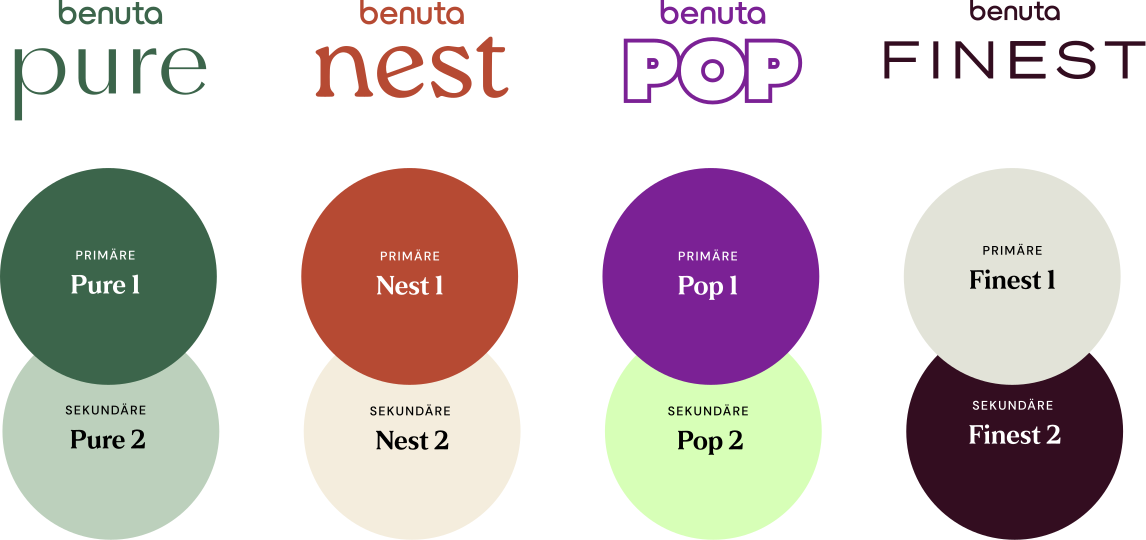
Following the redesign, each sub-brand—benuta Pure, Pop, Nest and Finest—communicates a distinct customer benefit and occupies a clearly defined position within the portfolio.
-

Emotional and Rational Appeal
A cohesive brand identity and compelling brand narrative strengthen emotional customer engagement while supporting performance marketing.
-

Consistency and Recognition
A distinctive logo and a scalable design system communicate the brand identity consistently across every touchpoint while ensuring a contemporary appearance.
-

Efficient Implementation
An optimised design system enables clear differentiation, while a structured brand communication framework allows the team to manage and develop the brand independently and efficiently.
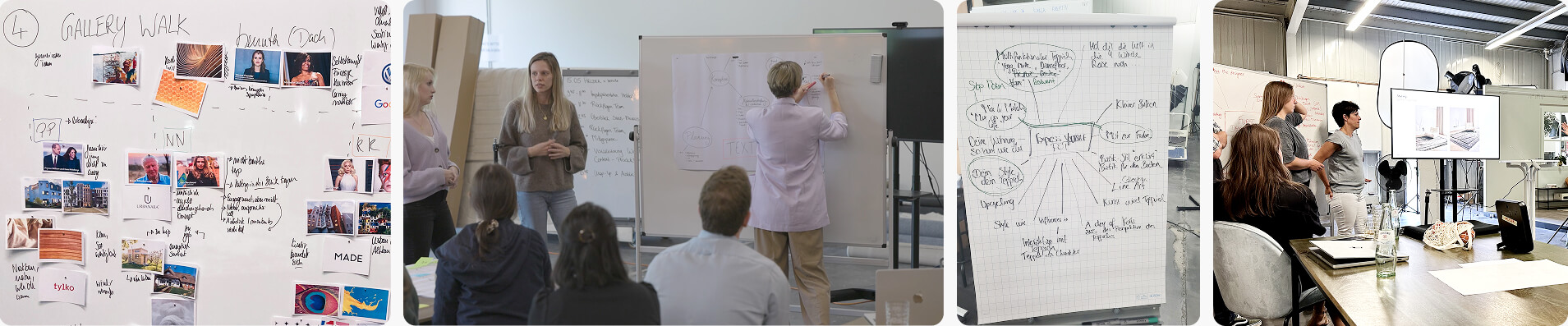
Process: From Positioning to Implementation
-
1
Understand
We begin by analysing the current state of the brand, its offering, market environment and key target audiences. These insights form the foundation for restructuring the brand positioning and architecture in a strategic workshop, including the consolidation of overlapping or competing sub-brands where appropriate.
-
2
Focus
Using the Brand Frame®, we sharpen the brand positioning and develop a strategic framework to guide benuta’s evolution from an online retailer into a true interior brand.
-
3
Structure
We redesign the brand architecture to support effective market positioning. For benuta, this meant reducing seven sub-brands to four and developing new names and distinct positioning tailored to the most important customer segments.
-
4
Design & Implement
The strategy is translated into a cohesive brand identity and consistently implemented across sub-brands, marketing communications, product labelling, social media, the website and comprehensive brand guidelines.
The Result – A Framework for Brand Management
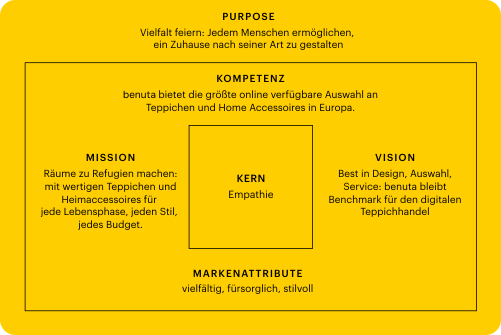
The Helder Brand Frame® captures the brand’s positioning and identity in a single strategic model, providing a clear framework for consistent brand management.
-

Competence
benuta offers Europe’s largest online selection of rugs and home accessories.
-

Mission
To turn living spaces into personal retreats with high-quality rugs and home accessories for every stage of life, every style and every budget.
-

Ambition
To set the benchmark for digital rug retail through outstanding design, selection and customer service.
-

Brand Values
benuta is like your best friend—versatile, caring and effortlessly stylish.
-

Brand Core
benuta is empathetic. The brand understands what customers want and need before anyone else—and acts on it.
-

Purpose
benuta celebrates diversity by enabling everyone to create a home that reflects their own personality and style.
Strategic Decisions
Three key takeaways from the benuta branding process that became true game changers for both brand development and long-term brand management.
-
Rethink the Brand Architecture Instead of Rebranding the Status Quo
When existing sub-brands offer little differentiation in terms of products or customer value, simply making them look more distinct is not the right solution. Instead, we fundamentally reassessed the brand architecture, explored alternative scenarios, eliminated redundancies and created a clearer, more effective portfolio.
-

Organise Around Customer Lifestyles, Not Products
“Don’t find customers for your products, find products for your customers.” — Seth Godin
To address target audiences more effectively, we develop (sub-)brands around customers’ needs, aspirations and lifestyles rather than around product categories alone.
-

Build One Cohesive Brand System Instead of Independent Brands
A successful branded-house strategy requires sub-brands that are clearly recognisable as part of the parent brand while remaining distinctive enough to appeal to different audiences. That’s why we created a unified brand system with differentiated colour palettes and visual worlds that strengthen both consistency and recognition.
K5 Masterclass with Dr. Birgit Joest and benuta CEO Monika Adler
Impact
For benuta and other e-commerce businesses, we implement targeted branding measures that enable brand marketing and performance marketing to reinforce each other over the long term.
-
7 → 4 Sub-brands
A simplified brand architecture is easier to manage and communicate while providing customers with clearer orientation throughout the online shop.
-

From Online Store to Interior Brand
benuta is positioned not simply as an online retailer, but as an empathy-driven interior brand that creates desire and strengthens customer loyalty.
-
One Cohesive Brand Ecosystem
The parent brand and its sub-brands function as one clearly connected system, ensuring consistency and strong brand recognition across every market.
-

Empowered Teams
A strategic brand framework and comprehensive brand guidelines enable teams to create content independently while ensuring every touchpoint stays consistently on brand.
-

Lifestyle-Driven Brand Experience
The brand is no longer communicated solely through products, but through inspiring lifestyle worlds, making it relevant long before customers are ready to buy.

Logo
The original benuta wordmark no longer reflected the brand’s ambition. We refined the typography and increased the weight of the letterforms to create a more confident and contemporary identity.
Key Visual
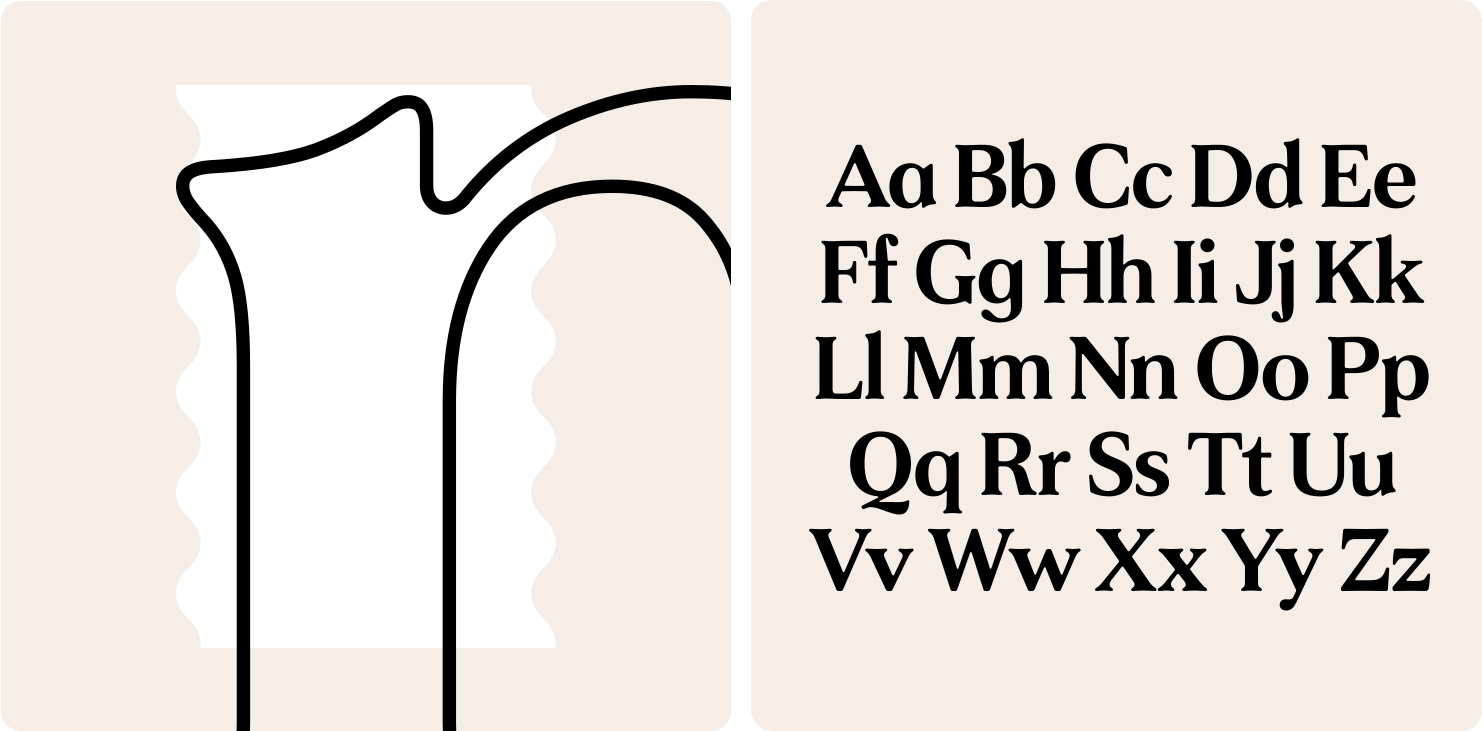
Rug silhouettes visualise the breadth of the product range while also serving as flexible frames for editorial and marketing content.
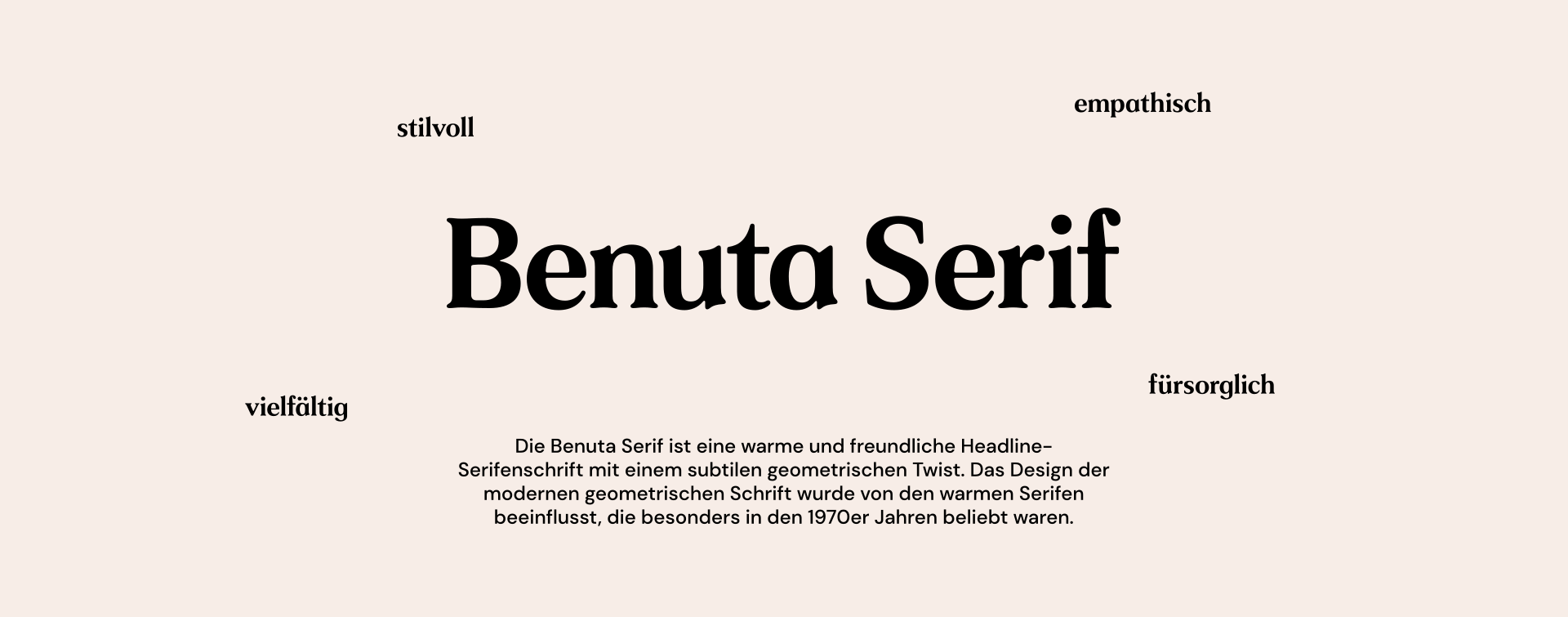
In collaboration with Alexander Roth, we developed Benuta Serif, a custom typeface that embodies the brand’s character: warm, caring and stylish.
Colour Palette
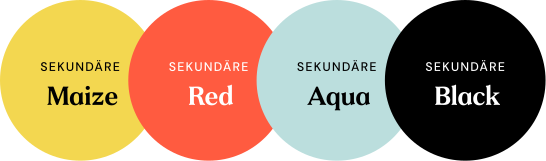
The colour system was refreshed to reflect the new brand positioning and expanded with highlight colours for buttons, promotional campaigns and calls to action.

Parent Brand Colour Palette
Highlight Colours
Sub-brand Colour Palettes
Photography
The visual language puts customers’ lifestyles at the centre. The imagery is authentic, warm, welcoming and inspiring.

Each sub-brand reflects a different lifestyle through its own settings, styling, lighting and casting, creating distinctive yet connected visual worlds.

On-Product Branding
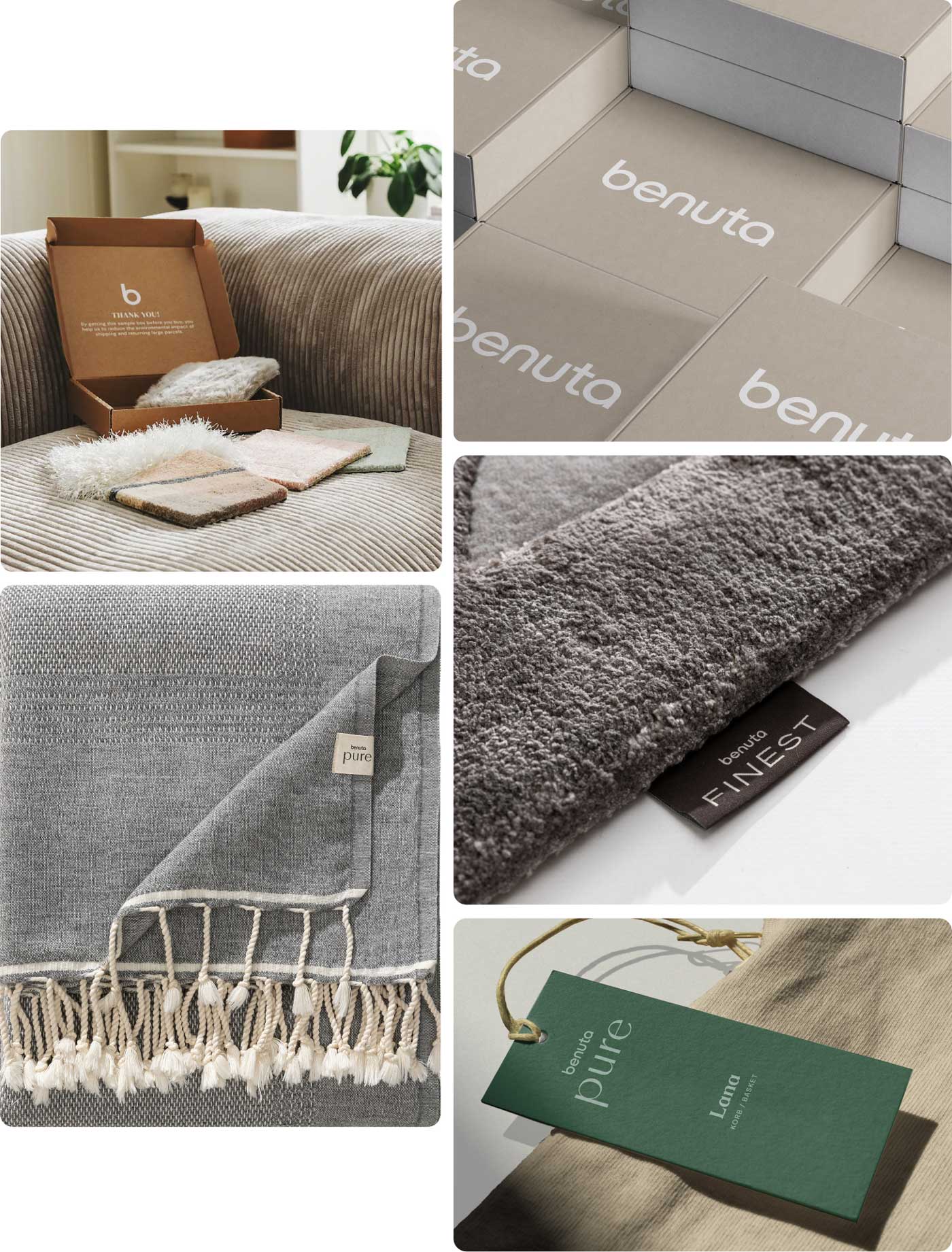
The rebranding enables products to be clearly assigned to their respective sub-brands. Product labels and tags were redesigned accordingly.

Social Media
The new brand identity was rolled out consistently across every relevant touchpoint, with social media playing a central role in benuta’s brand experience.


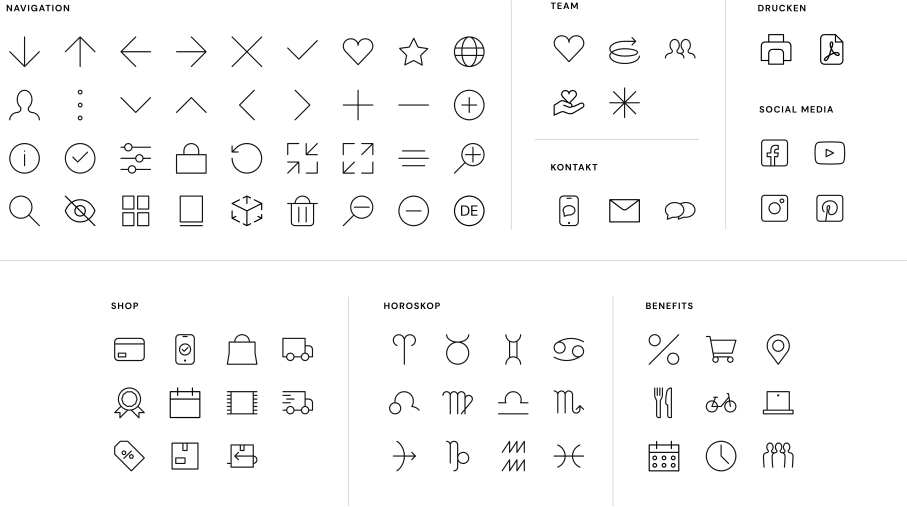
Website & UX Icons
Online, the sub-brands are presented as interconnected shop-in-shop experiences, giving each one its own identity within the overarching benuta ecosystem.

Brand Guidelines
To ensure consistent in-house implementation of the new identity, we created comprehensive brand guidelines covering a wide range of practical applications.

„Helder’s branding process enabled us to evolve from an online shop into a true interior brand.
The new sub-brands and visual identity resonate perfectly with our target audiences.
Our strategic brand framework empowers our teams to create content that is consistently on brand.
As a result, we’ve built an even stronger emotional connection with our customers.“
Monika Adler
CEO
Ready to Shape Your Brand?
Let’s talk!
